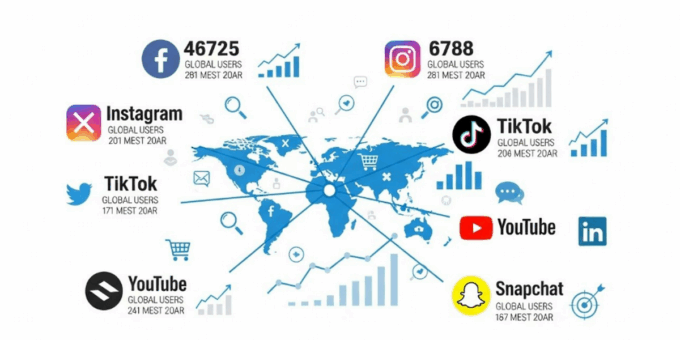
The digital landscape continues to evolve at a rapid pace, and social platforms play a major role in shaping how people communicate, shop, and build online business brands. This Social Media Fact Sheet gives you a clear overview of the latest trends, platform statistics, and strategic insights you can use to grow your audience or build a sustainable income model online. Whether you’re exploring affiliate marketing, running a dropshipping business, or launching content campaigns, this guide offers practical data and actionable takeaways.
What Is a Social Media Fact Sheet?
A Social Media Fact Sheet is a quick-reference guide that outlines essential information about major social platforms. It includes platform usage trends, demographics, features, and business opportunities. Marketers and entrepreneurs use these insights to choose the best platforms for engagement, revenue generation, or building passive income streams.
In today’s online environment, understanding platform behavior is just as important as choosing the right monetization model. For instance, comparing affiliate vs dropshipping strategies becomes easier when you know where your audience spends the most time. This fact sheet helps you make those decisions with clarity.
Global Social Media Usage in 2025
Social media continues to grow worldwide. Billions of users rely on social platforms for news, entertainment, shopping, and education. Understanding these trends helps brands anticipate user behavior and focus on the right channels.
Total Users Worldwide
By 2025, global social media usage has surpassed several billion active users. This growth is driven by mobile-first countries, increased internet access, and platform expansion into emerging markets.
Average Daily Usage
Most users spend multiple hours daily on various platforms. Video-focused networks, short-form content, and algorithm-driven feeds keep engagement high.
Why These Numbers Matter
High usage translates into opportunities for creators, CEOs, and entrepreneurs. If you run an online business, understanding where people spend their time helps you design effective content and sales funnels.
Breakdown of Major Social Platforms
Every platform serves a unique purpose. Use this fact sheet to determine which one best aligns with your brand goals or revenue strategy.
1. Facebook
Facebook remains one of the largest social platforms globally. It is widely used for groups, ads, community building, and long-form content. For business owners, Facebook provides powerful tools, including Marketplace, Shops, and targeted advertising.
If you rely on affiliate marketing, Facebook groups remain a strong way to share product recommendations and build niche audiences.
2. Instagram
Instagram continues to dominate the visual content space. Its Reel-first design makes short videos essential for visibility. Influencers rely on Instagram for brand deals, stories, and organic reach.
Instagram is particularly effective for product showcases, making it ideal for your dropshipping business or promotional content funnel.
3. YouTube
YouTube is the world’s largest video search engine. Long-form content still performs exceptionally well, especially educational tutorials, product reviews, and evergreen topics.
This is one of the best platforms for earning long-term passive income because published videos can generate revenue for years.
4. TikTok
TikTok remains one of the fastest-growing platforms. Its algorithm continues to favor discoverability, making it easier than ever to reach new audiences organically.
Brands use TikTok for product launches, viral challenges, storytelling, and high-engagement campaigns. If you’re evaluating affiliate vs dropshipping, TikTok is especially strong for impulse-buy products and short-form reviews.
5. LinkedIn
LinkedIn remains unmatched for professional networking. It is a powerful platform for B2B marketing, personal branding, and high-ticket service promotion.
Creators use LinkedIn to build authority, generate leads, and share industry insights. Its audience is ideal for entrepreneurs building an online business with long-term growth goals.
6. Pinterest
Pinterest is a visual search engine rather than a traditional social platform. It drives high-quality traffic, especially for blogs, DIY, e-commerce, home decor, fashion, and lifestyle niches.
It’s one of the top platforms for promoting affiliate marketing content and evergreen articles.
Social Media Marketing Trends in 2025
Understanding current trends helps marketers refine their approach and remain competitive in the online marketplace.
Short-Form Video Dominates
Platforms like TikTok, Instagram Reels, and YouTube Shorts continue to deliver the highest engagement rates. Brands prioritizing quick tutorials, skits, or product demos gain massive visibility.
AI-Assisted Content Creation
AI tools are now essential for designing content calendars, editing video clips, drafting captions, and analyzing engagement data. This trend helps entrepreneurs scale their online business faster and with better accuracy.
Rise of Social Commerce
Shopping directly through social apps is now mainstream. TikTok Shop, Facebook Marketplace, and Instagram Shops streamline the buying process, making it easier for users to make impulse purchases.
These features are particularly valuable for those running a dropshipping business or promoting affiliate products through short-form video.
Business Opportunities on Social Media
One reason social platforms remain powerful is the variety of monetization options they offer. Whether you’re trying to build a brand or diversify your income, social media provides multiple paths.
Affiliate Marketing
Social networks allow you to share product links with large audiences and earn commissions. Platforms like YouTube, TikTok, and Instagram make product tutorials extremely effective.
Understanding the key differences between affiliate vs dropshipping helps you choose the best strategy. Affiliate marketing requires less management, making it ideal for long-term passive income.
Dropshipping Business
With dropshipping, you sell products without handling inventory. Social platforms help you drive traffic to your online store through ads and organic content.
Pairing video content with trending products is currently one of the most successful ways to scale a dropshipping business.
Content Creation
Many creators earn money through brand deals, ad revenue, sponsorships, and digital products. If you’re building an online business, content creation helps you grow authority and visibility.
Community Building
Groups, niche communities, and private membership spaces continue to grow. Building a loyal community increases trust, boosts engagement, and supports long-term income generation.
How to Use This Social Media Fact Sheet
Use this guide to determine where to allocate your marketing budget, which platforms align with your goals, and how to maximize your content reach.
If you’re launching a monetization model such as affiliate marketing or a dropshipping business, focus on platforms with high engagement and easy content creation tools. If your priority is brand authority and professional exposure, LinkedIn or YouTube may be a better fit.
Helpful Resources
For deeper insights, explore guides from trusted digital marketing sources and official platform help centers:
These resources provide updates on algorithms, advertising features, and monetization programs that can help you scale your online strategy.
Final Thoughts
This Social Media Fact Sheet serves as a foundation for navigating the constantly shifting digital landscape. Understanding audience behavior and platform features is essential for success, whether you’re exploring affiliate vs dropshipping, building a long-term online business, or creating a sustainable passive income stream.
As platforms evolve, staying informed allows you to adapt your strategy, reach more people, and grow your business with confidence. Use this guide to plan campaigns, create high-performing content, and build meaningful digital connections.
