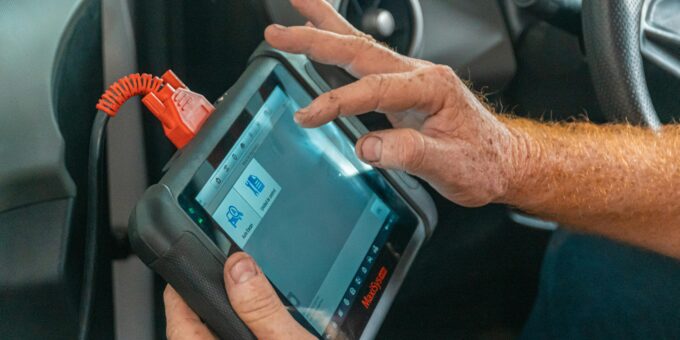
How to diagnose common car problems without a mechanic is a valuable skill that can save you time, money, and stress. Many drivers assume every issue requires professional help, but that’s not always true. With a little knowledge and attention to detail, you can identify many common car problems on your own.
In today’s world, where people are building online business models like affiliate marketing or a dropshipping business to create passive income, saving money on car repairs becomes even more important. Knowing how to troubleshoot your vehicle is like having an extra financial advantage.
Why Learning Basic Car Diagnostics Matters
Understanding your car helps you avoid unnecessary repair costs. Mechanics may charge for simple fixes that you could handle yourself. When you know the basics, you can also communicate better with professionals when needed.
Think of it this way. Just like learning the difference between affiliate vs dropshipping helps you make smarter business decisions, learning car diagnostics helps you make smarter maintenance decisions.
Tools You Need for Basic Car Diagnosis
You don’t need a full garage setup. A few simple tools can help you identify most issues:
- OBD-II scanner
- Flashlight
- Car manual
- Tire pressure gauge
- Basic toolkit
An OBD-II scanner is especially useful. It reads error codes from your car’s computer. You can learn more about how it works here: OBD Codes Guide.
Common Car Problems and How to Diagnose Them
1. Engine Won’t Start
This is one of the most common issues. Start by checking the basics.
Possible causes:
- Dead battery
- Faulty starter
- Fuel system issues
How to diagnose:
If you turn the key and hear clicking, it’s likely a dead battery. If nothing happens, the starter may be the issue. If the engine cranks but doesn’t start, check fuel delivery.
2. Check Engine Light Is On
The check engine light can be scary, but it doesn’t always mean a serious problem.
How to diagnose:
Use an OBD-II scanner to read the code. Some issues are minor, like a loose gas cap. Others may require attention.
For more details, visit: Check Engine Light Guide.
3. Strange Noises
Unusual sounds often indicate mechanical problems.
Common noises:
- Squealing: Worn brake pads
- Knocking: Engine issues
- Grinding: Transmission or brakes
How to diagnose:
Listen carefully. Identify when the noise occurs. Is it during braking, acceleration, or turning? This helps narrow down the cause.
4. Car Overheating
An overheating engine can cause serious damage if ignored.
Possible causes:
- Low coolant
- Radiator issues
- Broken thermostat
How to diagnose:
Check the coolant level when the engine is cool. Look for leaks under the car. If the temperature gauge rises quickly, the thermostat may be faulty.
5. Poor Fuel Efficiency
If you notice you’re refueling more often, something may be wrong.
Possible causes:
- Dirty air filter
- Underinflated tires
- Faulty oxygen sensor
How to diagnose:
Check tire pressure regularly. Inspect the air filter. Use an OBD-II scanner to detect sensor issues.
6. Vibrations While Driving
Vibrations can indicate alignment or tire problems.
Possible causes:
- Unbalanced tires
- Worn suspension
- Brake issues
How to diagnose:
If vibrations occur at high speeds, it’s likely tire-related. If they happen during braking, inspect the brake system.
7. Smoke from the Exhaust
Different smoke colors indicate different problems.
- Blue smoke: Burning oil
- White smoke: Coolant leak
- Black smoke: Too much fuel
How to diagnose:
Observe the smoke color and smell. This gives clues about the issue.
How to Use Your Senses for Diagnosis
Your senses are powerful tools.
Look
Check for leaks, worn parts, and warning lights.
Listen
Unusual sounds often signal problems early.
Smell
Burning smells can indicate overheating or electrical issues.
Feel
Pay attention to vibrations or changes in driving performance.
When to Fix It Yourself vs Call a Mechanic
Not every problem should be handled at home.
DIY fixes:
- Replacing air filters
- Changing wiper blades
- Checking fluids
Call a mechanic if:
- You hear loud knocking sounds
- The engine overheats frequently
- There are electrical issues
Knowing your limits is important. Just like running a successful online business, you need to know when to outsource tasks.
Preventive Maintenance Tips
Prevention is better than repair.
- Check oil regularly
- Inspect tires monthly
- Replace filters on schedule
- Monitor dashboard warnings
Regular maintenance reduces the chances of major issues. It also saves money over time, much like building passive income streams.
Common Mistakes to Avoid
Many drivers make simple mistakes that lead to bigger problems.
- Ignoring warning lights
- Delaying repairs
- Using the wrong fluids
- Skipping routine maintenance
Avoid these mistakes to keep your car running smoothly.
Final Thoughts
How to diagnose common car problems without a mechanic is a practical skill that every driver should learn. It empowers you to take control of your vehicle’s health and avoid unnecessary expenses.
Whether you are saving money for daily needs or investing in ventures like affiliate marketing or a dropshipping business, every dollar saved counts. By understanding your car, you reduce dependency and gain confidence.
Start small. Learn the basics. Over time, you’ll become more skilled at identifying and solving problems. And when needed, you’ll know exactly when to seek professional help.
