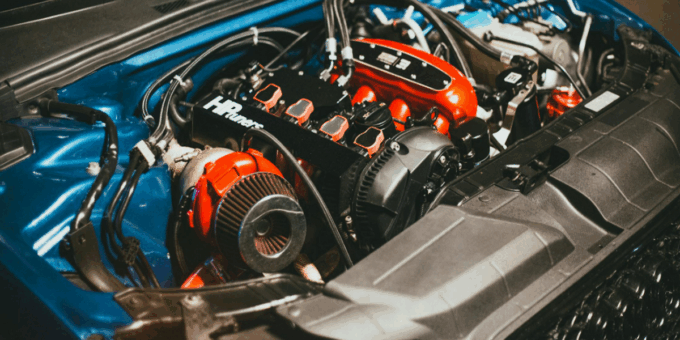
If you want to boost car performance without spending thousands on aftermarket parts, you are not alone. Many drivers want smoother acceleration, better fuel economy, and a more responsive engine, but assume it requires costly modifications. The truth is different. With simple, low-cost steps, you can enhance your vehicle’s reliability, power delivery, and driving comfort.
This guide covers practical methods to improve your car’s performance using maintenance, driving habits, and smart adjustments—no expensive upgrades required.
Why Improving Performance Doesn’t Need to Be Expensive
Your car already has the potential to deliver impressive performance. Most issues that affect power, efficiency, or handling come from neglect, poor maintenance, or improper setup. By addressing these areas, you can restore or even exceed factory performance levels.
Below are proven, budget-friendly ways to boost car performance while keeping your costs low and your engine healthy.
1. Keep the Engine Breathing Easily
Replace or Clean the Air Filter
An engine with restricted airflow burns more fuel and delivers less power. Replacing or cleaning your air filter is one of the quickest ways to improve efficiency and acceleration.
Dirty air filters can reduce horsepower. Keeping them clean helps maintain optimal air-to-fuel ratios, improving throttle response and overall performance.
For more detailed maintenance basics, you can visit car maintenance tips.
Check the Mass Airflow Sensor (MAF)
The MAF sensor measures incoming air. When it becomes dirty, your car may miscalculate fuel delivery. Cleaning the MAF gently with approved cleaner boosts accuracy, leading to smoother performance.
2. Maintain the Fuel System for Better Response
Use Quality Fuel
Using reputable fuel brands improves combustion quality. Better gasoline helps your engine operate at a cleaner, more consistent level, which helps naturally boost car performance.
Clean Fuel Injectors
Clogged injectors deliver uneven fuel, reducing power. Fuel injector cleaners help restore proper spray patterns. Use them every few months for smooth engine performance.
Learn more about common injector problems here: fuel injector cleaning.
3. Upgrade Fluids (Low Cost, High Impact)
Use High-Quality Engine Oil
Engine oil is the lifeblood of your vehicle. High-quality synthetic oil reduces friction, improves cooling, and optimizes engine efficiency. This simple change gives you smoother acceleration and improved fuel economy.
Don’t Forget Transmission and Differential Fluids
Many drivers overlook these fluids. However, fresh transmission and differential oil reduce resistance and heat, giving your vehicle a more responsive feel.
4. Improve Tire Condition and Pressure
Proper Tire Pressure Improves Acceleration
Underinflated tires increase resistance and reduce power. Overinflated tires reduce grip. Keeping tires at the recommended PSI ensures optimal handling and improved performance.
Choose Low Rolling Resistance Tires
If your budget allows, low rolling resistance tires help your car move more efficiently with less drag. This upgrade is still cheaper than performance parts and has a noticeable effect.
5. Reduce Unnecessary Weight
Extra weight forces your engine to work harder. Removing unnecessary items from your trunk and cabin boosts acceleration, braking, and fuel efficiency.
If you want to improve aerodynamics and reduce weight efficiently, check out lightweight car modifications.
6. Keep the Exhaust System Healthy
You don’t need an expensive performance exhaust to see benefits. A simple check for leaks or rust blockages restores proper flow. Better airflow improves torque and engine sound.
Replace a Clogged Catalytic Converter
A failing catalytic converter dramatically reduces performance. If you notice sluggish acceleration or poor fuel economy, inspection is recommended.
7. Improve Your Driving Habits
Accelerate Smoothly and Avoid Sudden Stops
Harsh acceleration wastes fuel and strains the engine. Smooth driving enhances performance, extends engine life, and reduces wear.
Shift at the Right RPM (Manual Cars)
Shifting too early or too late reduces performance. Learn the torque curve of your car to get the best possible acceleration.
8. Keep the Car Clean (Inside and Out)
Aerodynamics Matter
Dust, mud, and roof accessories increase drag, reducing efficiency and speed. Keeping your car clean and removing unused roof racks improves airflow.
9. Maintain the Battery and Electrical System
A weak battery or faulty alternator can reduce engine output. Clean battery terminals and ensure proper charging levels for smooth power delivery.
10. Use ECU Reset or Relearn Procedures
Modern cars use computers to adjust fuel trims. After maintenance, resetting or allowing the ECU to relearn can restore lost performance.
Many manufacturers include simple methods for this. Check your manual or trusted automotive sites like ECU reset steps.
11. Keep Your Spark Plugs and Ignition System Healthy
Worn spark plugs reduce combustion quality. Fresh plugs increase power and improve fuel efficiency.
This is especially important if your car hesitates, misfires, or idles roughly.
12. Align and Balance Your Wheels
Misaligned wheels increase rolling resistance, reduce fuel economy, and affect handling. A proper alignment makes your car feel more responsive.
13. Regular Maintenance Is the Cheapest Performance Upgrade
The simplest way to boost car performance is consistent maintenance. Regular oil changes, filter replacements, and inspections keep your engine running at peak efficiency.
Neglected cars lose power due to wear, dirt, and friction. Maintenance restores the performance your car was engineered to deliver.
Internal and External Resources for Better Performance
For more in-depth automotive guides, check these helpful resources:
These sites offer reliable automotive information that matches the purpose of this article.
Final Thoughts
You don’t need to purchase expensive upgrades to enjoy a more powerful, responsive vehicle. Simple steps like cleaning sensors, maintaining fluids, adjusting driving habits, and keeping your car light can deliver noticeable improvements.
When you consistently apply the techniques in this guide, you naturally boost car performance without hurting your wallet. Stay consistent, keep your car well-maintained, and you’ll enjoy better acceleration, improved fuel economy, and a smoother driving experience.
