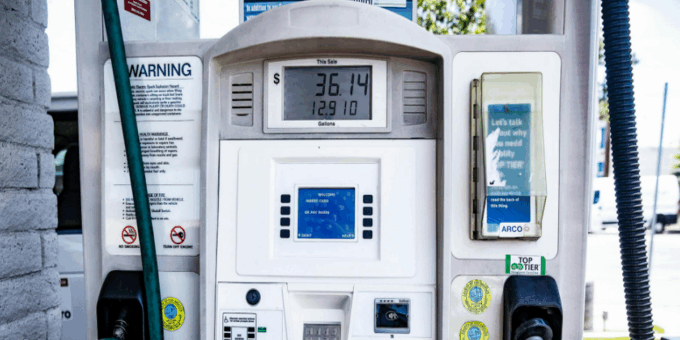
As fuel prices continue to rise, more drivers are looking for practical ways to improve car fuel efficiency without sacrificing performance or comfort. The good news is that better mileage is achievable for almost every car. With the right habits, smart maintenance, and a few simple upgrades, you can save money on fuel and extend the life of your vehicle.
This complete guide explains how to increase mileage, lower fuel consumption, and keep your car running efficiently all year long.
Why Fuel Efficiency Matters More Than Ever
Improving mileage is not just about saving money. Better fuel efficiency reduces emissions and improves overall engine health. High-performing engines last longer and require fewer repairs.
Drivers ranging from daily commuters to long-distance travelers can benefit from simple changes in driving habits. Even minor tweaks can significantly improve fuel savings over time.
1. Maintain Proper Tire Pressure
Underinflated tires increase rolling resistance, forcing your engine to work harder. This directly reduces mileage. Checking your tire pressure at least once a month is one of the easiest ways to improve car fuel efficiency.
Use a quality tire gauge and ensure your tires match the recommended PSI listed on the door frame. Keeping tires properly inflated can improve fuel economy by up to 3 percent.
For more details about tire maintenance, visit Tire Rack tire care tips.
2. Schedule Regular Oil Changes
Fresh, clean oil reduces friction inside your engine. When oil gets old and thick, it increases wear and lowers performance. This means your engine burns more fuel.
Changing your oil every 5,000 to 7,500 miles keeps your engine efficient. Use the grade recommended by your manufacturer for best results.
You can explore trusted maintenance recommendations on car maintenance schedules.
3. Avoid Aggressive Driving
Hard acceleration, fast cornering, and sudden braking all reduce fuel efficiency. Smooth and steady driving is proven to increase mileage significantly.
Accelerate gently, maintain a consistent speed, and leave enough space to brake slowly. These small changes help reduce stress on your engine and save fuel.
Studies show that aggressive driving can lower fuel efficiency by up to 30 percent on the highway. Slowing down is not only safer but also more efficient.
4. Reduce Excess Weight in Your Car
Extra weight makes your car burn more fuel. Roof racks, full trunks, and unused cargo can lower your gas mileage more than you might expect. Remove anything you don’t need and keep your vehicle as light as possible.
This is especially important for smaller cars, where added weight affects performance more.
5. Use Cruise Control When Possible
Using cruise control on highways helps maintain a steady speed. This reduces unnecessary acceleration and improves efficiency. It is especially useful during long trips or on open roads.
However, avoid cruise control on steep hills. Your engine may overcompensate to maintain speed, increasing fuel use.
6. Keep Your Air Filter Clean
A dirty air filter restricts airflow to the engine. This causes your engine to burn fuel less efficiently. Replacing your air filter is affordable and improves acceleration, performance, and mileage.
Most manufacturers recommend replacing air filters every 12,000 to 15,000 miles. If you drive on dusty roads, replace it more often.
7. Choose the Right Fuel Grade
Many drivers assume premium fuel improves performance, but this is not always true. Always use the fuel grade recommended in your owner’s manual. Using higher-octane fuel when not required will not improve mileage.
The right fuel helps your car operate efficiently without wasting money.
8. Keep Your Engine Tuned
Faulty spark plugs, dirty fuel injectors, and engine misfires reduce efficiency. A properly tuned engine improves performance and lowers fuel consumption.
Regular tune-ups ensure your engine runs at maximum efficiency. If your check-engine light turns on, address it immediately to avoid reduced mileage.
9. Limit Air Conditioning Use
Using air conditioning puts a higher load on your engine. While comfort is important, overusing AC reduces mileage. Try using your vehicle’s ventilation system when temperatures are moderate.
If you need AC, set it to a reasonable level instead of maximum power.
10. Use High-Quality Fuel Additives (When Necessary)
Fuel additives clean your fuel injectors and improve combustion. While not always necessary, they can be helpful for older engines or vehicles with performance issues.
Look for additives from reputable brands and follow directions carefully.
11. Warm Up Your Vehicle Properly
Modern engines do not need long warm-up times. Idling wastes fuel and reduces efficiency. Start your car, idle for 20 to 30 seconds, and then drive gently until the engine warms.
Too much idling can significantly reduce mileage, especially in cooler climates.
12. Keep Windows Closed at High Speeds
Open windows increase aerodynamic drag, especially when driving above 50 mph. This makes your engine work harder and burn more fuel. Use your vehicle’s ventilation system instead to maintain airflow.
13. Choose Fuel-Efficient Routes
Your route matters. Frequent stopping, heavy traffic, and steep hills all reduce mileage. Using GPS apps that offer eco-friendly routes helps reduce fuel use. These routes avoid congestion and promote smoother driving patterns.
Small navigation changes can make a noticeable difference over time.
14. Upgrade to Low-Resistance Tires
Low rolling-resistance tires are designed to reduce friction and improve mileage. They are a good upgrade if you drive long distances or want to maximize fuel savings.
15. Consider Aerodynamic Enhancements
Simple upgrades like removing roof racks, using aerodynamic wheel covers, or installing wind deflectors help reduce drag. Lower drag improves fuel efficiency, especially at highway speeds.
16. Drive at the Speed That Maximizes Fuel Efficiency
Most engines achieve optimal efficiency between 45 and 65 mph. Driving faster than this dramatically reduces mileage. Staying within this range allows your engine to run smoothly without burning excess fuel.
17. Monitor Your Fuel Consumption
Modern cars have built-in fuel economy monitors. Use them to track improvements and adjust your driving habits. Monitoring mileage helps you understand which habits are effective.
Keeping records also helps diagnose issues early if fuel efficiency suddenly drops.
18. Use a Good Navigation and Fuel Comparison Tool
Knowing where to find the best fuel prices can save money over time. Apps like GasBuddy help you locate the cheapest stations near you.
You can visit GasBuddy fuel price finder to compare prices in your area.
Internal Links for Complementary Reading
For additional guidance on reducing car-related expenses, check out these helpful internal posts:
How to save money on car repairs
Final Thoughts
Improving mileage is not difficult. Most strategies require simple adjustments in driving habits and regular maintenance. When combined, these tips can dramatically improve car fuel efficiency and reduce overall fuel expenses.
Start with the easiest steps you can take today, such as checking tire pressure, removing extra weight, or using cruise control. Over time, these small changes protect your engine, save money, and deliver smoother, more efficient driving.
Fuel efficiency is not only about saving gas. It is about maximizing your vehicle’s performance and ensuring it lasts for years to come.
